PIDA - The Other Side of Rescue


THE ZAG PIDA ARRIVES AT CONTAMINES-MONTJOIE. WE SAT DOWN WITH SÉBASTIEN OVERNEY, SKI PATROLLER AND ZAG AMBASSADOR, TO TALK ABOUT A SKI BUILT EXCLUSIVELY FOR MOUNTAIN PROFESSIONALS.
At five in the morning, the snow is as hard as concrete. The lifts aren’t running yet. The resort is still asleep. Sébastien Overney is already out there. Checking avalanche monitoring points, conducting preventive avalanche triggers, opening the runs. Before the first skier even shows up with their lift ticket, he’s already racked up the verticals. Then the day takes a turn. Rescue calls come one after another. Sleds to pull through tight turns. Hard snow, slush, spring concrete, fog. Conditions no one would choose. The ski patroller-rescuer takes them all, every day, from the first to the last day of the season.
This is who ZAG built the PIDA for. Not a catalogue ski repackaged to tick a box. A tool born from a simple observation: no ski on the market had been purpose-built for the job of ski patrol. Their constraints are unique. Their demands are total. Their ski had to be, too.
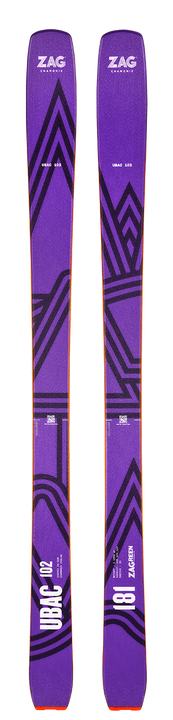
S.O. — It's a ski developed exclusively by ZAG for professionals, for ski patrollers. That in itself is a real opportunity for us ; to finally have a ski that truly matches what we do. We're on a 95 underfoot with a 19-meter turn radius in the 178. It's super responsive, light, very manoeuvrable. A true all-in-one for everything our job throws at us.


Sébastien, what exactly is PIDA?
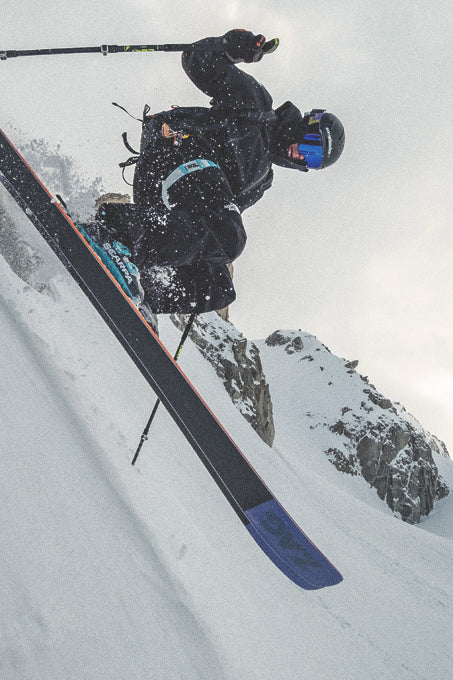
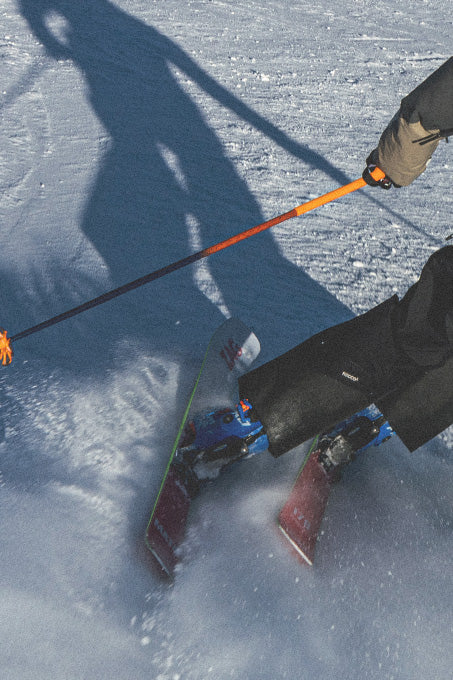
S.O. — In our line of work, we need speed, manoeuvrability, edge hold on hardpack, and responsiveness ; all at once. The PIDA checks every box. In the morning, when conditions are icy and we're out doing openings or checking stations, we get excellent grip and speed. Then later in the day, when we switch to rescue mode, it pivots effortlessly, even at low speed. That's critical when you're hauling a toboggan or a rescue sled to evacuate a casualty and you need to link tight turns. And here at Les Contamines, we also run preventive avalanche control on climbing skins. So we need a ski that carries us through the entire day ; from early-morning touring to evening sweeps. The PIDA does all of that. It's a pleasure to work on this ski from first turn to last.
What makes him so well-suited for the job of a ski patroller?
S.O. — It's a full wood core, poplar, with a titanal plate underfoot that extends well up on either side of the bindings. That gives you great responsiveness and snap underfoot, and it also reduces binding pull-out ; which matters given how hard we are on our gear. We're clicking in and out all day, planting skis in the snow, pushing them through wildly changing conditions. On top of that, ZAG added a fiberglass layer running from nose to tail, across the entire surface of the ski. That's what preserves the flex and responsiveness over time, across multiple seasons. First season, the ski is hyper-reactive. Second season, nothing has changed. You keep the same properties to work safely.
What's inside the construction that explains that versatility?
S.O. — It's a full wood core, poplar, with a titanal plate underfoot that extends well up on either side of the bindings. That gives you great responsiveness and snap underfoot, and it also reduces binding pull-out ; which matters given how hard we are on our gear. We're clicking in and out all day, planting skis in the snow, pushing them through wildly changing conditions. On top of that, ZAG added a fiberglass layer running from nose to tail, across the entire surface of the ski. That's what preserves the flex and responsiveness over time, across multiple seasons. First season, the ski is hyper-reactive. Second season, nothing has changed. You keep the same properties to work safely.
There's a fairly unique design detail on the base.
S.O. — Yes, the base has a black and yellow graphic with the danger symbol and a cross. It was designed specifically for patrollers: when we arrive on a rescue and plant our skis crossed in front of the injured person to secure the scene, we're immediately visible. On high-traffic days - February, for instance - or in spots that aren't particularly exposed, that visibility is a real safety asset for us and for the person we're attending to. It's a detail, but it's the kind of detail that shows the ski was genuinely thought out from inside the job.
In a nutshell, what is the PIDA?
S.O. — It's the first ski that truly fits us. Responsive, light, versatile, durable. You can do absolutely everything on it, from avalanche control at dawn to closing sweeps at dusk. And you enjoy every turn along the way.